







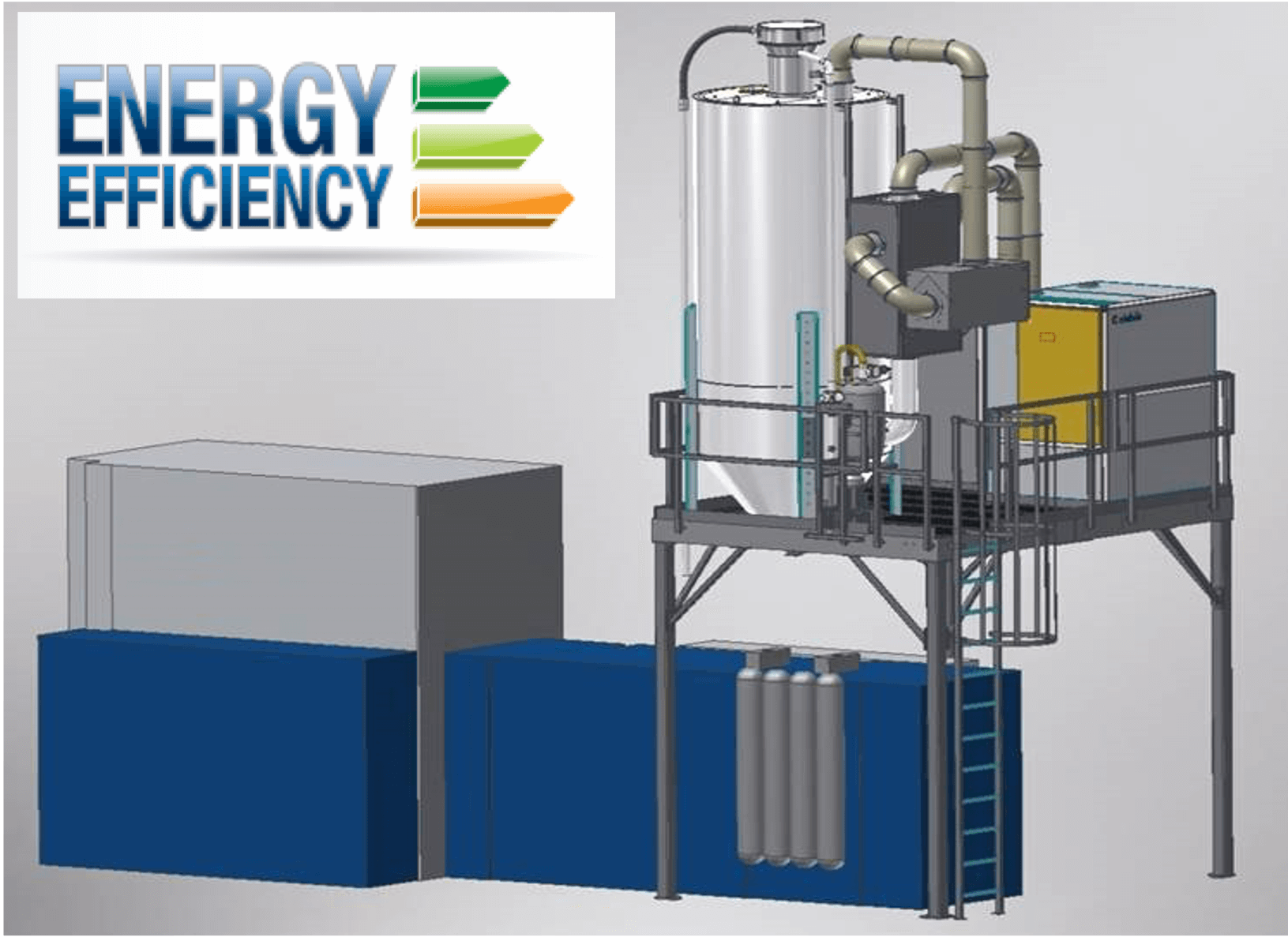
From engineering and design to turnkey installations, we offer resin dryers, crystallizers, dehumidifiers, silos, pneumatic conveying systems, blenders and dosers, preform soft-drops, and all associated ancillaries.
From engineering and design to turnkey installations, we offer resin dryers, crystallizers, dehumidifiers, silos, pneumatic conveying systems, blenders and dosers, preform soft-drops, and all associated ancillaries.
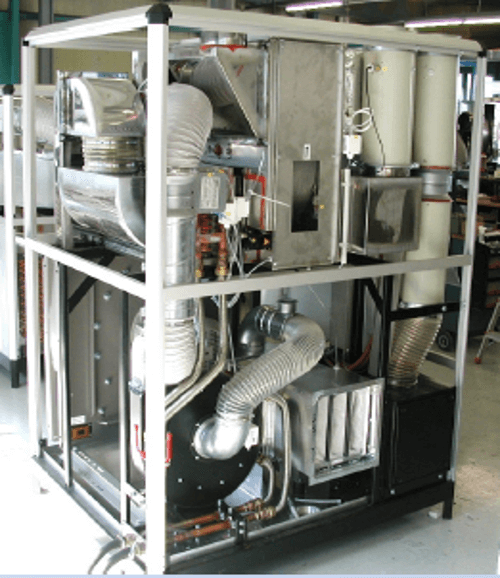
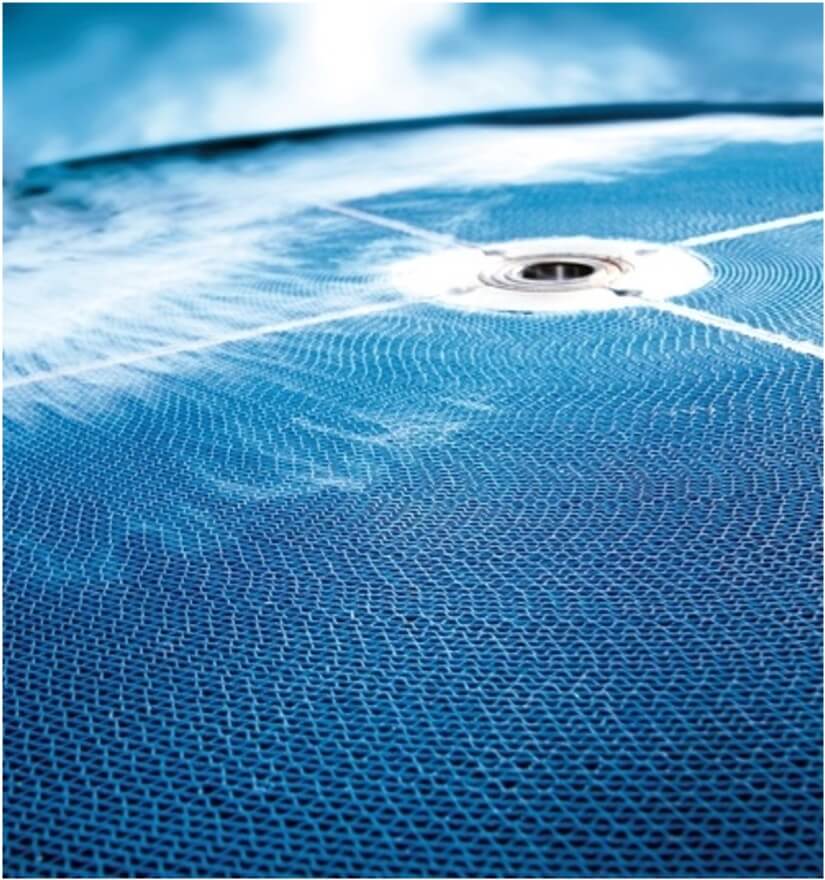
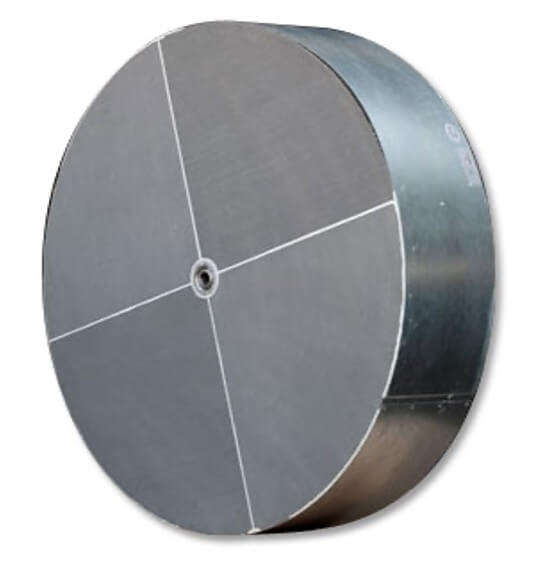
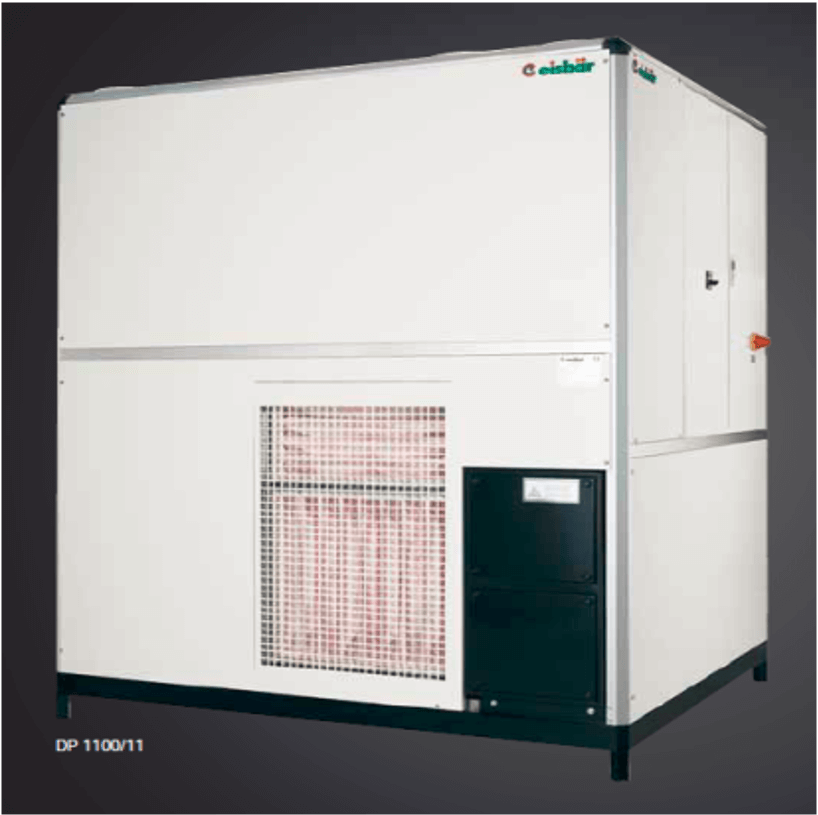
We’re also the exclusive distributor of Eisbär’s innovative PET resin drying systems in Mexico and Latin America, and a strategic partner in Canada and the US; this technology uses a desiccant rotor to ensure consistent resin drying with adjustable dew-points, offering superior energy efficiency, performance, and reliability compared to cyclical twin-tower desiccant dryers.
We are proud to offer our customers plant audits, cost-savings analysis, feasibility studies, and life-cycle assessments. Our experience in PET allows us to promote this service. Below we show a cost model for a large-scale vertically-integrated water bottling facility producing 500mL PET containers (72000/h). This model can be customized for CSD and hotfill plants.
Why PET?
PET remains the material of choice for containers, and will continue to grow in packaging.
PET has been accepted as a safe and convenient packaging material. It contributes to the well-being and health of people by protecting beverages, food, and pharmaceutical products.
PET has an advantageous life cycle compared to alternative packaging materials such as glass or aluminum and other metals.
PET has a negligible impact on global petroleum consumption.
PET uses less energy and causes less greenhouse emissions compared to glass.
The use of PET in the global food supply chain cuts transportation energy in half.
PET does not compete with food products, as these are not required in its manufacture … a concern in developing nations.
PET can be manufactured without the environmental impact associated with using large land areas.
Ongoing developments in resin engineering and conversion equipment enhancements have significantly reduced PET container weight.
Less than 0.1% of a crude oil barrel goes into PET bottles and containers, while 76% is used in transportation. After the industrial sector, transportation is the second contributor to man-made carbon emissions.
Transportation energy to deliver bottles to fillers/retailers is approximately 13.7 MJ per kg of PET compared to 25.4 MJ per kg of glass.
For 100 units of energy used to make bottle-grade PET resin it takes 50 units of energy to turn post-consumer PET bottles into the bottle-grade RPET.
Note on rPET: 20% of each bale is rejected due to presence of materials not acceptable into the recycling stream.
Material Perspective:
* Lightweight
* Tough (shatterproof and tear resistant)
* Clarity and transparency
* Does not affect quality/taste of contents
* Suitable for cold, aseptic, or hot-fill
* Shape and size flexibility
* Tough (shatterproof and tear resistant)
* Clarity and transparency
* Does not affect quality/taste of contents
* Suitable for cold, aseptic, or hot-fill
* Shape and size flexibility
Environmental Perspective:
* Recyclable (if recovered)
* Inert, non-toxic, non-hazardous
* Reduces carbon footprint1
* Reduces greenhouse gases1
1. In a comprehensive study published in January 2005, GUA (Gesellschaft für Umfassende Analysen GmbH) established that packaging beverages in PET versus glass or metal reduces energy consumption by 52% (83.2 GJ/yr in Europe alone). Greenhouse gas emissions were reduced 55% on the same basis (4.3 Million Tonnes CO2 eq/yr in Europe).
* Inert, non-toxic, non-hazardous
* Reduces carbon footprint1
* Reduces greenhouse gases1
1. In a comprehensive study published in January 2005, GUA (Gesellschaft für Umfassende Analysen GmbH) established that packaging beverages in PET versus glass or metal reduces energy consumption by 52% (83.2 GJ/yr in Europe alone). Greenhouse gas emissions were reduced 55% on the same basis (4.3 Million Tonnes CO2 eq/yr in Europe).
Consumer’s Perspective:
* Portability
* Convenience
* Safety and health
* Acceptance (young are familiar)
* Transparency (content visibility)
* Resealable once opened
* Convenience
* Safety and health
* Acceptance (young are familiar)
* Transparency (content visibility)
* Resealable once opened
Current Challenges:
* > 65% trashed today
* Collection challenges
* Growing landfills
* Forever in oceans
* Culture and education
* Can break down into microplastics
* Collection challenges
* Growing landfills
* Forever in oceans
* Culture and education
* Can break down into microplastics
We offer:
24/7, free of charge helpline
Technical services and on-site support for any equipment installation or processing problems related to our products and systems
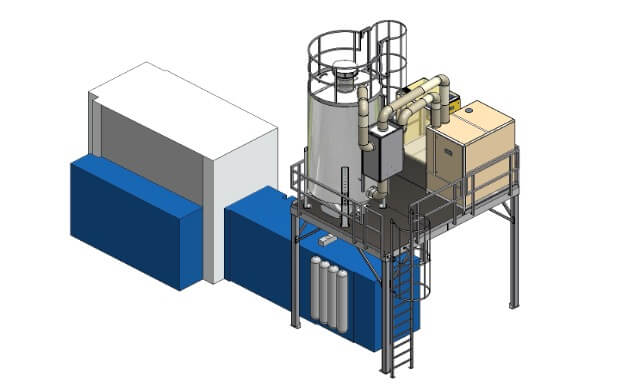
Engineering services to assist customers with conceptual designs, flow sheets, system schematics and 3D diagrams on most cooling, PET drying, and resin conveying and handling applications
Cost-savings studies, comparing gas-powered vs. electrical resin dryers, air vs. water-cooled chillers, adiabatic free coolers vs. evaporative cooling towers, etc.
Unbiased recommendations and advice, putting customers in the right direction during the decision-making process
We also carry a full range of industrial supplies and after-market replacement parts for most resin dryers, gas-fired heaters, chillers, and other peripherals.